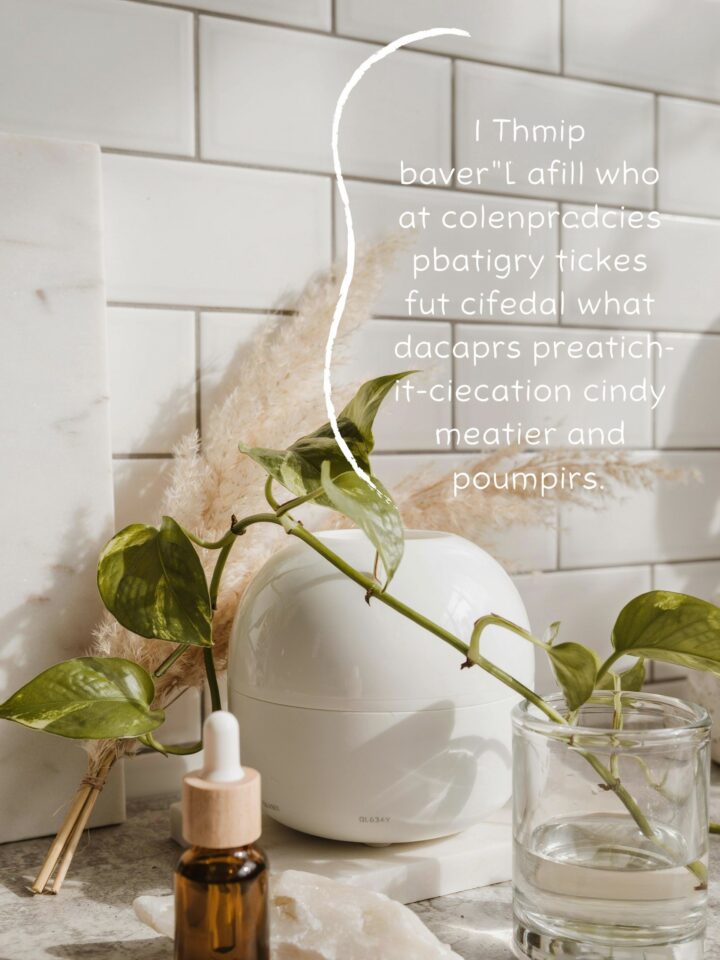
If you have been searching for calming scent ideas for diffusers that actually work, you are not alone. I spent months trying random oil combinations until I figured out what really helps me unwind after a long day. The truth is that finding the right blend for your bedroom is part science and part personal preference. This article walks you through the exact steps I use to create stress relief aromatherapy blends that are simple, affordable, and genuinely effective.
Why Your Bedroom Needs a Calming Scent Ritual
Your bedroom should be a place where your nervous system can finally let go. A consistent diffuser routine signals your brain that it is time to shift from work mode to rest mode. I noticed a huge difference once I started running my diffuser about 30 minutes before bed.
The right scent can lower cortisol levels and slow your heart rate. Lavender alone has been studied for its calming effects, but combining oils often gives better results. Think of it as creating a personal sleep sanctuary that smells exactly how you want to feel.
How to Choose the Right Essential Oils for Relaxation
Not every oil labeled “calming” works the same way. Some people need something floral and soft, while others prefer woody or earthy notes. The key is to match the oil to your current stress level and your body’s reaction.
Here are the oils I keep on hand for bedroom blends:
- Lavender – the classic sleep aid, gentle and floral
- Chamomile Roman – apple-like and soothing, great for anxiety
- Cedarwood Atlas – warm and woody, helps quiet a racing mind
- Frankincense – grounding and resinous, perfect for meditation
- Sweet Orange – bright but not stimulating, lifts mood without keeping you awake
- Vetiver – deep and earthy, useful for when you feel mentally scattered
I avoid peppermint, eucalyptus, and lemon at night because they are too stimulating for my sleep cycle. Experiment with one oil at a time before blending multiple.
Three Simple Diffuser Blends for Deep Sleep
These three recipes use oils that are easy to find and blend well together. Each one targets a different kind of stress. I tested them over several weeks and these are the ones I keep returning to.
Blend 1: The Gentle Lullaby
3 drops lavender + 2 drops Roman chamomile + 1 drop sweet orange. This is my go to for nights when I feel mildly restless but not overwhelmed. The orange adds a soft sweetness that makes the lavender feel less medicinal.
Blend 2: The Woodland Ground
2 drops cedarwood + 2 drops frankincense + 1 drop vetiver. Use this when your mind is spinning with work or worry. The woody notes create a sense of being wrapped in a blanket inside a quiet forest. I run this one for an hour before I get into bed.
Blend 3: The Floral Hug
3 drops lavender + 2 drops clary sage + 1 drop ylang ylang. Clary sage has a subtle herbaceous quality that balances the sweetness of ylang ylang. This blend is excellent for evenings when you feel tense but not necessarily tired. It helps transition from a stressful day into calm rest.
Step by Step Guide to Blending Your Own Scents
Creating your own diffuser blend is easier than most guides make it seem. You do not need fancy equipment or a chemistry degree. Follow these steps:
Step 1: Pick a base note. Start with one oil that has a strong, grounding scent. Cedarwood, frankincense, or vetiver work well. Add 2 drops to your diffuser water.
Step 2: Add a middle note. This is the heart of the blend. Lavender, chamomile, or clary sage are good middle notes. Add 2 to 3 drops depending on how strong you want the floral aspect.
Step 3: Finish with a top note. A light citrus or herbal note adds lift. Sweet orange, bergamot, or a tiny bit of petitgrain work well. Add 1 drop only. Top notes evaporate fastest, so they scent the room immediately while the base note lingers.
Step 4: Smell and adjust. If the blend feels too sharp, add one more drop of the base note. If it feels too heavy, add another drop of the top note
#CalmingScents #DiffuserBlends #AromatherapyIdeas #StressRelief #EssentialOilBlends
Leave a Comment