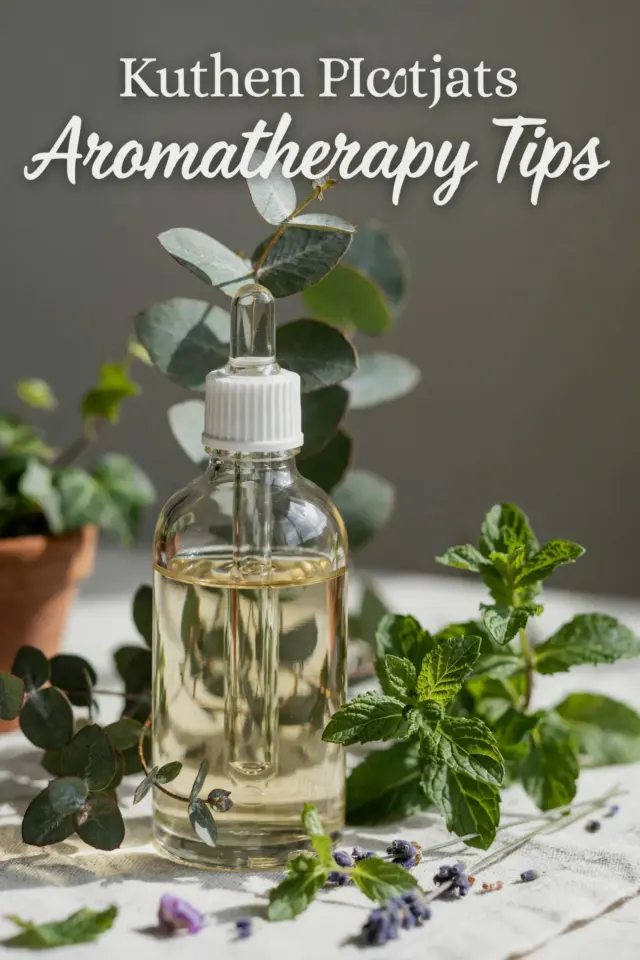
The first time I attempted a homemade air freshener, I was honestly skeptical. I expected a watery mess with a faint, fake-floral scent. Instead, I got a bright, clean citrus burst that made my tiny apartment feel like a spa. If you have zero experience with DIY air freshener sprays, this is the place to start. No fancy tools, no complicated chemistry, just ingredients you can find at most grocery stores.
Why Bother Making Your Own Natural Room Spray?
I used to buy those brightly colored cans of synthetic air freshener. They worked, sort of, but they also gave me a lingering headache. The smell felt sharp and artificial, like a perfume ad that had been left in the sun. Once I switched to a natural room spray, I noticed the difference within a week. My nose stopped feeling stuffed up, and I stopped worrying about what my cat was inhaling.
- You control the ingredients. No mystery chemicals.
- It costs less than store-bought, especially if you use budget-friendly carrier oils.
- You can customize scents for each room.
- It’s a fun, five-minute project that feels oddly satisfying.
What You Actually Need: The Basic Supplies List
Before you mix anything, gather these basics. A glass spray bottle is best because some essential oils can degrade plastic over time. Plastic also holds onto smells, which is annoying when you want to switch from lavender to lemon. You’ll also need filtered water, which keeps the spray clear and prevents mineral buildup in your nozzle. And a small amount of vodka or rubbing alcohol helps the oil blend with water, since oil and water like to argue. I use cheap vodka, the kind I wouldn’t drink, and it works perfectly.
Two ounces of alcohol for a cup of water. That’s the ratio I use.
The Simplest Recipe: Citrus Mint Room Spray
This is the one I make on repeat. Grab a 4-ounce glass spray bottle and fill it almost full with water. Add one tablespoon of vodka, then drop in 10 drops of sweet orange essential oil and 5 drops of peppermint oil. Screw on the top and give it a good shake. The smell is bright and zesty, with a cool mint edge that cuts through bathroom odors and stale cooking smells. I like to spray it after I clean the kitchen, honestly, it makes drying the dishes feel dignified.
The first time I made this, I accidentally used 30 drops of orange by counting wrong. It wasn’t a disaster, just very, very loud. If you do that, add more water.
The Fizz Factor: Using Baking Soda in Your Spray
Baking soda has a hidden talent. I throw a tiny amount into my spray bottles because it neutralizes acidic odors rather than covering them up. A quarter teaspoon per cup of water is plenty. I learned the hard way that a full tablespoon turns your spray into a salty mess that leaves white dust on your coffee table.
It also adds a bit of texture to the water, which helps the spray hang in the air a little longer before settling. That’s useful in a room with curtains or upholstery. Just remember to shake the bottle before every use, since the baking soda will eventually sink to the bottom.
More Easy Blends for Every Mood
You don’t need to be a master perfumer to mix your own scent profiles. Start with these three combos, then adjust the drops to match your mood. For a calm bedroom, mix lavender and bergamot, about eight drops of lavender to four drops of bergamot. For a fresh laundry scent, try lemongrass and cedarwood. And if you want something like a fancy hotel lobby, combine grapefruit, eucalyptus, and a small drop of clove. It’s weird, but it works.
Here’s the thing: essential oil drops are forgiving. The ratio matters less than the total amount, so don’t stress if you’re one drop short. Some days I want more grapefruit, some days more eucalyptus. Your nose will tell you what to do.
Tips for Making Your Sprays Last Longer and Work Better
Use cool, boiled water if you want your spray to keep for a month. Boiling kills the bacteria that can make a spray smell like a swamp after a few weeks. I fill a jar with boiled water, let it cool, and then mix my spray. You can also skip the vodka and use a drop of dish soap as an emulsifier, but I prefer the alcohol because it evaporates quickly and leaves no slimy backing.
- Shake the bottle every time before spraying, essential oils can separate.
- Store in a dark glass bottle to protect the oils from sunlight.
- Label your bottle. I swear, unlabeled sprays all start to look the same after a month.
Safety Notes and Common Mistakes to Avoid
First, never spray essential oil blends directly on your cat, dog, or houseplant. Even natural oils can be irritating. Keep your sprays out of reach of kids and pets. Second, skip the “therapeutic grade” marketing nonsense, but do buy oils from a brand you trust. If the oil smells like a candle, it’s probably diluted with something weird. Do a patch test on your wrist if you have sensitive skin, though these sprays are meant for rooms, not skin.
Also, don’t spray near open flames. Alcohol-based sprays are flammable, even if they smell nice. And don’t worry if a few drops of oil float on top of the water when you first mix it. That’s normal. Give it a strong shake and you’ll be fine.
Making your own homemade air freshener is a small, repeatable win. It takes five minutes, costs almost nothing, and keeps your home smelling like you, not like a lab experiment. Start with the citrus mint spray this weekend, then riff from there. I would love to hear which blend becomes your favorite. Drop a comment below and tell
#homemadeairfreshener #diyairfreshener #naturalroomspray #essentialoilspray #aromatherapy
Leave a Comment