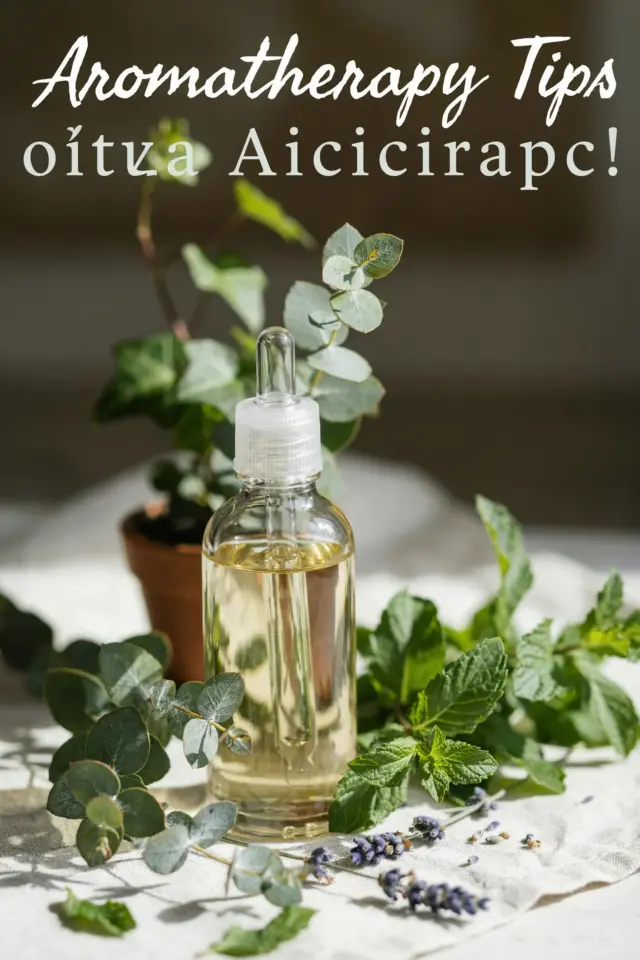
I started making my own homemade air freshener a few years ago because I wanted to ditch the chemical smell of Febreeze. The idea of spraying synthetic fragrances around my kitchen and living room just didn’t sit right with my family. But my first few attempts at DIY air fresheners were pretty disappointing. The smell faded in minutes, the spray left sticky residue on my countertops, and sometimes the water turned cloudy and funky after a week. I made a bunch of mistakes, and I bet you might make them too. That is why I want to walk you through the most common pitfalls so your homemade air freshener actually works, smells great, and stays safe for your home.
The Tap Water Trap Why Your Spray Goes Bad Fast
The very first mistake I made was using straight tap water. Tap water contains minerals and sometimes bacteria that can cause your spray to develop a weird smell or even mold after a few days. I learned this the hard way when my lemon and lavender blend started smelling like swamp.
Instead, boil tap water for a few minutes and let it cool completely, then pour it into your bottle. Even better, use distilled water from the store. The lack of minerals means your spray stays fresh much longer and the essential oils blend more evenly. This one simple swap keeps your homemade air freshener from turning into a science experiment.
Too Much of a Good Thing Overpowering With Essential Oils
I used to think more essential oils meant a stronger, longer lasting scent. So I dumped in 30 drops per cup of water. Big mistake. Not only did the spray smell like a perfume counter exploded, but it also irritated my throat and made my cat sneeze. Essential oils are potent, and some can even damage surfaces if used too concentrated.
A good rule is 10 to 15 drops per cup of water with a teaspoon of alcohol or witch hazel as a dispersant. This gives a gentle, pleasant scent that lingers without being harsh. Here is a quick reference for common oils:
- Lemon or orange 8 to 10 drops for a bright, clean scent
- Lavender 10 to 12 drops for a calming, floral note
- Peppermint 6 to 8 drops because it is very strong
- Tea tree 5 drops if you also want antibacterial properties
- Eucalyptus 8 drops for a spa like freshness
Blending two or three oils can create a more complex fragrance without going overboard. Start low and adjust after you test the spray.
Skipping the Emulsifier Why Your Oil and Water Separate
I cannot tell you how many times I grabbed a bottle, sprayed, and watched little beads of oil land on my furniture. Oil and water naturally separate, and if you do not use an emulsifier, every spray will be inconsistent. One spritz might be all water, the next a concentrated oil blob.
Add a teaspoon of vodka, rubbing alcohol, or witch hazel to your water before adding essential oils. These act as a bridge, helping the oil droplets stay suspended. Shake the bottle gently before each use regardless, but the emulsifier makes a huge difference in how well the spray actually works.
Storing Your Spray in Direct Sunlight or Heat
I kept my homemade air freshener on the kitchen windowsill because it looked pretty. Within a week the color changed and the scent turned bitter. Sunlight and heat degrade essential oils and can even cause the plastic bottle to leach chemicals into the spray. Your DIY blend deserves better.
Store your bottles in a cool, dark cabinet or pantry. A glass spray bottle is even better because it protects the oils from UV light. If you do use plastic, choose a dark colored one. This simple habit extends the life of your homemade air freshener from a week to a full month.
Only Masking the Smell Instead of Cleaning the Source
Early on I thought spraying a nice scent over a stinky trash can was enough. But homemade air freshener is not a substitute for actual cleaning. If your kitchen smells like old onions, no amount of lavender water will fix it. The scent will just blend with the funk and make things worse.
Use your DIY spray as a finishing touch after you clean. Spray it on fabrics, curtains, or in the air to refresh the space. For odors that stick around, wipe down surfaces with a little vinegar first. Then your homemade air freshener will actually shine instead of fighting a losing battle.
Neglecting a Simple Base Recipe That Actually Works
I see so many complicated recipes online with six different oils and strange additives. Keep it simple. A proven base recipe is all you need. Fill your spray bottle almost to the top with distilled water, add a teaspoon of witch hazel or vodka, then 10 to 15 drops of your chosen essential oils. Screw on the nozzle and shake well.
That is it. No need for baking soda or
#homemadeairfreshener #naturalDIY #nontoxicliving #essentialoilblends #ecofriendlyhome
Leave a Comment