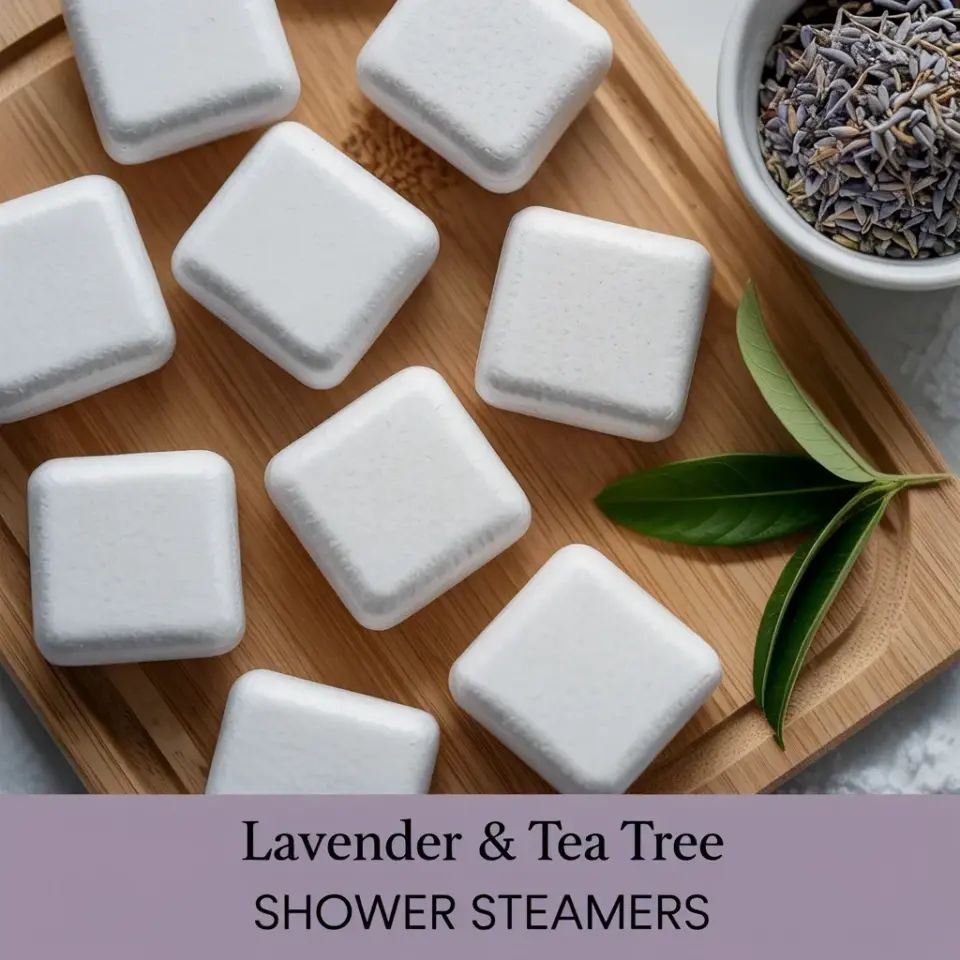
Look, I love a good bath bomb as much as the next person. But let’s be real, buying those fancy shower steamers at the store adds up fast. So I figured out a way to make my own lavender & tea tree shower steamers at home for a fraction of the price. Honestly, it changed my whole bathroom routine. And the best part? You only need three main ingredients, most of which you might already have in the pantry. No crazy equipment, no specialty molds. Just simple stuff that works.
Why I switched from store-bought shower steamers to a DIY recipe
Not gonna lie, I used to drop ten dollars on a single pack of those little discs. And they’d fizz out in two showers, maybe three if I was lucky. That feels like a scam when you think about it. So I started experimenting with making my own. This DIY recipe costs me maybe a dollar or two per batch, depending on where I buy my citric acid. And I get way more steamers out of it. Plus, I control exactly what goes in them. No mystery fragrances, no artificial dyes. Just clean, simple ingredients that make the bathroom smell like a real spa, not a candle aisle.
Here’s the thing. I’m not a chemist or a craft guru. I’m just someone who got tired of spending money on things I could mix in a bowl in five minutes. And honestly? My first batch was a crumbly mess. But I learned what works and what doesn’t. So let me share what actually worked for me.
My ultra simple ingredient list for budget friendly shower steamers
You need baking soda. That’s the cheap stuff. One box costs about a dollar. Then citric acid. You can find it in the canning section or buy online in bulk. I got a big bag for under eight bucks and it’s lasted me months. That’s the real key to keeping this a budgetscent project. Then you need essential oils. For this batch I used lavender and tea tree. I get my oils from a local health food store, but any brand you trust works.
One weird thing I learned. Don’t use any water. I know some recipes tell you to spritz with water to help the mixture hold together. That’s a trap. Water activates the citric acid and your steamers start fizzing before they’re even formed. Instead, use a little rubbing alcohol in a spray bottle. It evaporates fast and doesn’t trigger the reaction. That’s my personal hack and it saves so much frustration.
- Baking soda – about 1 cup per batch. Cheap and easy.
- Citric acid – half a cup per batch. You can buy small amounts, but bulk is cheaper.
- Lavender essential oil – 30 to 40 drops. Adjust to your nose.
- Tea tree essential oil – 15 to 20 drops. It’s strong, so go easy.
- Rubbing alcohol – just a couple spritzes, or use witch hazel if you prefer.
- A silicone ice cube tray or any small mold – I use a mini muffin tray. It’s perfect.
Step by step instructions for making your own lavender shower steamer discs
Ok so first, get a mixing bowl. Not metal if you can avoid it, plastic or glass works fine. Add the baking soda and citric acid. Whisk them together with a fork. Make sure there are no clumps. Then add your essential oils. Drop the lavender oil in first, then the tea tree. Stir it all with a spatula. You’ll notice the mixture starts to clump a little from the oils. That’s good. Keep mixing until it feels like damp sand.
Now here’s the part where most people mess up. The mixture should hold together when squeezed in your fist. If it crumbles, give it one quick spritz of rubbing alcohol and mix again. Do not overdo the liquid. A little goes a long way. Press the mixture firmly into your molds. I mean really pack it down. Use the back of a spoon or your thumb. Let them sit in the molds for at least two hours. Overnight is even better. Then pop them out carefully. If they crack, they’re too dry, you can add a tiny bit more alcohol next time.
Honestly, I made a batch last week and one of them broke in half because I got impatient. I just crumbled it into the shower floor and it worked fine. So don’t stress about perfection. These are shower steamers, not museum pieces. They’ll dissolve anyway.
Why lavender and tea tree oil is my go to combination
I know a lot of people do mint or eucalyptus. And those are great. But for me, lavender is the queen of calm. It’s the oil that helps me wind down after a long day. Tea tree adds a bright, clean note that cuts through the sweetness. It also has a reputation for being antibacterial, which makes me feel like the shower is getting a little extra freshening up. Not that I’m trying to disinfect my bathroom with aromatherapy, but it doesn’t hurt.
This combination is also a classic for a reason. It’s calming without being cloying. It wakes you up just enough in the morning without shocking your senses. And the scent hangs around after the water stops. I’ve had guests ask me what candle I’m burning. I tell them it’s a lavender tea tree shower steamer I made for twelve cents. They don’t believe me.
A few practical tips for storing and using your homemade shower steamers
You need to keep these away from moisture. I store mine in a glass jar with a lid, on a shelf outside the shower. If you leave them in a damp cabinet they’ll start fizzing on their own. Not a huge deal, but you’ll lose the effect. When you’re ready to use one, just drop it on the shower floor (away from the direct stream if possible). The steam and the splash will make it fizz slowly over several minutes. You can also place it on a little soap dish in the corner of the shower.
I like to use one every other day. They last about two weeks for me if I use one per shower. But honestly, sometimes I use two if I’m having a rough day. That’s the beauty of making your own. No guilt about “wasting” an expensive product. These are low cost and high reward. And they make a great little gift. Throw a few in a jar with a ribbon and you’ve got a homemadepamper present for a friend.
How to tweak this recipe for different scents or needs
Once you have the base down, you can change the oils to whatever you like. I’ve done orange and clove for winter. Lemon and rosemary for a morning pick-me-up. You can even add dried herbs or flowers, but be careful. They can clog your drain if they’re too big. I’ve tried adding a pinch of dried lavender buds. It looks pretty in the mold, but they end up floating around the shower floor. Kind of cute, kind of annoying. So I usually skip the add-ins now. The oils are enough.
If you want a stronger fizz, you can experiment with a little more citric acid. But I wouldn’t go above a 2:1 ratio of baking soda to citric acid. Too much citric acid and the steamers get sharp and can irritate sensitive skin. Not that you’re rubbing them on your skin, but the fumes can be strong. Go easy. You can always adjust next batch.
What I wish someone told me before I started making these
Patience. That’s the big one. The mixture needs time to dry in the mold, and the essential oils need a few days to really meld together. The scent gets stronger after a day or two. So if your fresh steamers don’t smell as potent as you hoped, just wait. Also, the size matters. If you make them too thick, they fizz forever and you’re standing there like, is it done yet? But too thin and they disappear in thirty seconds. My sweet spot is about a half inch thick, pressed into a small muffin cup. That gives me a nice slow fizz for two or three minutes.
And one more thing. Don’t expect these to bubble like a bath bomb. They won’t. The reaction is much gentler because the water flow is limited in the shower. They’ll hiss and soften and release little bursts of scent. That’s the point. It’s not a show. It’s a scent experience.
Anyway, if you’re looking for a cheap, satisfying project that actually makes your bathroom smell like a botanical garden, give these a shot. They’re easy, they’re frugal, and they work. I honestly can’t go back to store-bought now.
So grab some baking soda and a bottle of lavender oil. Mix it up. Let it dry. Then drop one in the shower tomorrow morning and tell me it doesn’t make your whole day better. I bet it will. And if you try it, let me know how it goes. I’d love to hear what scent combo you come up with.
#showersteamers #diyrecipe #lavendershower #budgetscent #homemadepamper
Leave a Comment