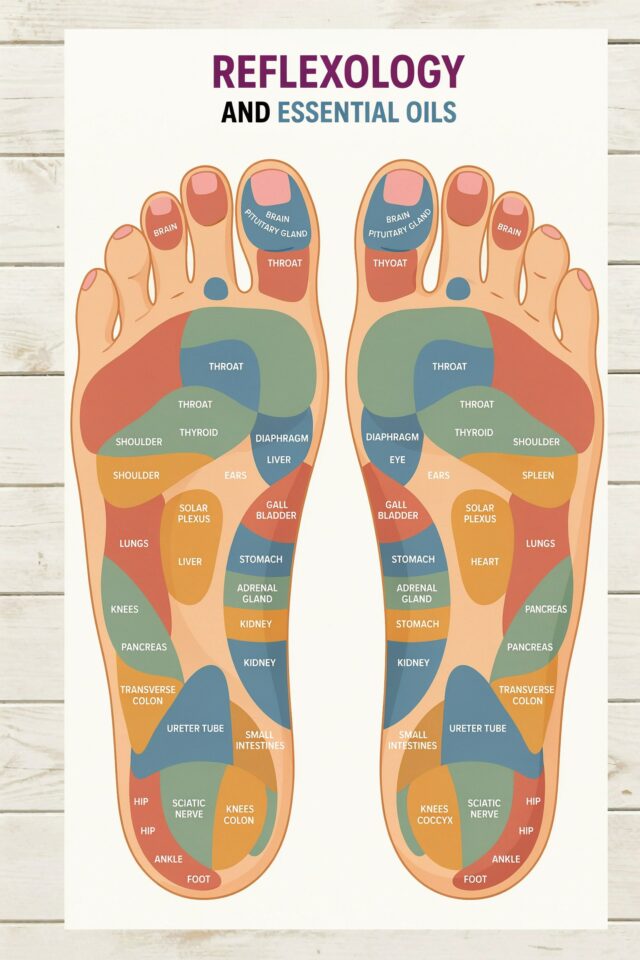
If you have searched for a reflexology and essential oils resource card to help you unwind, you probably already know that combining foot pressure points with aromatherapy can feel magical. But many beginners make a few simple mistakes that turn a soothing ritual into a frustrating mess. They either use too much oil, target the wrong spots, or forget to dilute properly. This guide walks you through the most common errors and shows you exactly how to fix them, so you can actually feel the stress melt away.
Mistake 1: Skipping the Reflexology Chart and Guessing Pressure Points
Plenty of people grab a bottle of lavender oil and start rubbing their feet randomly, hoping to hit a stress-relief zone. Without a reflexology chart, you are basically guessing. Each part of your foot corresponds to a different organ or system, and the spot for your adrenal glands (which handle stress) is not the same as the one for your sinuses.
The fix is simple: keep a printed or digital reflexology chart nearby. Mark the key areas for relaxation, like the solar plexus point (just below the ball of the foot) and the pituitary gland point (center of the big toe). When you match these points with the right essential oil, you supercharge the effect.
- Solar plexus point – directly under the ball, great for calming anxiety
- Big toe – upper half for pituitary gland, lower half for neck and head tension
- Inner edge of the foot – spine reflex, helps with overall relaxation
Mistake 2: Applying Undiluted Essential Oils Directly to the Feet
I have seen people pour peppermint oil straight onto their soles, expecting instant relief. Instead they get a burning sensation, redness, or even a rash. Essential oils are highly concentrated. Using them neat (undiluted) on sensitive foot skin is a fast track to irritation, not relaxation.
Always dilute with a carrier oil. Jojoba, sweet almond, or even plain olive oil work well. A safe ratio is 2 to 3 drops of essential oil per teaspoon of carrier oil. For a full foot massage, mix 5 drops of lavender or peppermint into a tablespoon of carrier oil. Your skin will thank you, and the scent will last longer without overwhelming your senses.
Mistake 3: Using the Wrong Essential Oil for Your Current Stress Type
Lavender is wonderful for winding down at night, but if you feel sluggish and mentally foggy, lavender might make you even more tired. Peppermint is energizing and sharp, but it can keep you awake if used right before bed. Stress comes in different flavors, and your oil choice should match your state of mind.
Here is a quick guide for matching oils to stress patterns:
- Mental fatigue or overwhelm – peppermint, rosemary, or lemon to sharpen focus
- Anxious jitters or racing thoughts – lavender, clary sage, or frankincense to calm
- Physical tension in shoulders and neck – marjoram, ginger, or black pepper to warm muscles
- Emotional heaviness or sadness – bergamot, ylang ylang, or cedarwood to uplift
If you are not sure, start with a one-to-one blend of lavender and peppermint. It balances relaxation with a gentle lift and works for most daytime stress.
Mistake 4: Rushing Through the Pressure Point Work
I used to think a quick five-minute foot rub with oil counted as reflexology. It does not. Real pressure point work requires steady, deliberate pressure, held for a few seconds on each spot. If you just slather on oil and swipe across the foot, you miss the trigger points that release stored tension.
Take at least ten minutes per foot. Use your thumb to press into each zone, moving in small circles. Breathe slowly. The goal is not to tickle or massage superficially, but to apply firm, comfortable pressure. When you hit a tender spot, hold it gently for 10 to 15 seconds. That tenderness is where stress has built up, and holding the point helps it dissolve.
Mistake 5: Ignoring the Order of Operations
A common error is to apply essential oils before mapping the pressure points. Oily feet make it hard to feel the exact reflexes. Plus, the oil can make your thumb slip off the targeted area. Better to do the pressure point work first on clean, dry feet, and then follow up with the aromatherapy massage.
A simple routine: wash and dry your feet, then spend 5 minutes locating and pressing the key reflex points. After that, apply your diluted oil blend and massage the entire foot, focusing again on the spots you already worked. This layered approach gives you the precision of reflexology plus the soothing benefits of the oil.
Mistake 6: Forgetting to Clean Your Tools and Store
#reflexology #essentialoils #aromatherapytips #pressurepoints #stressrelief
Leave a Comment