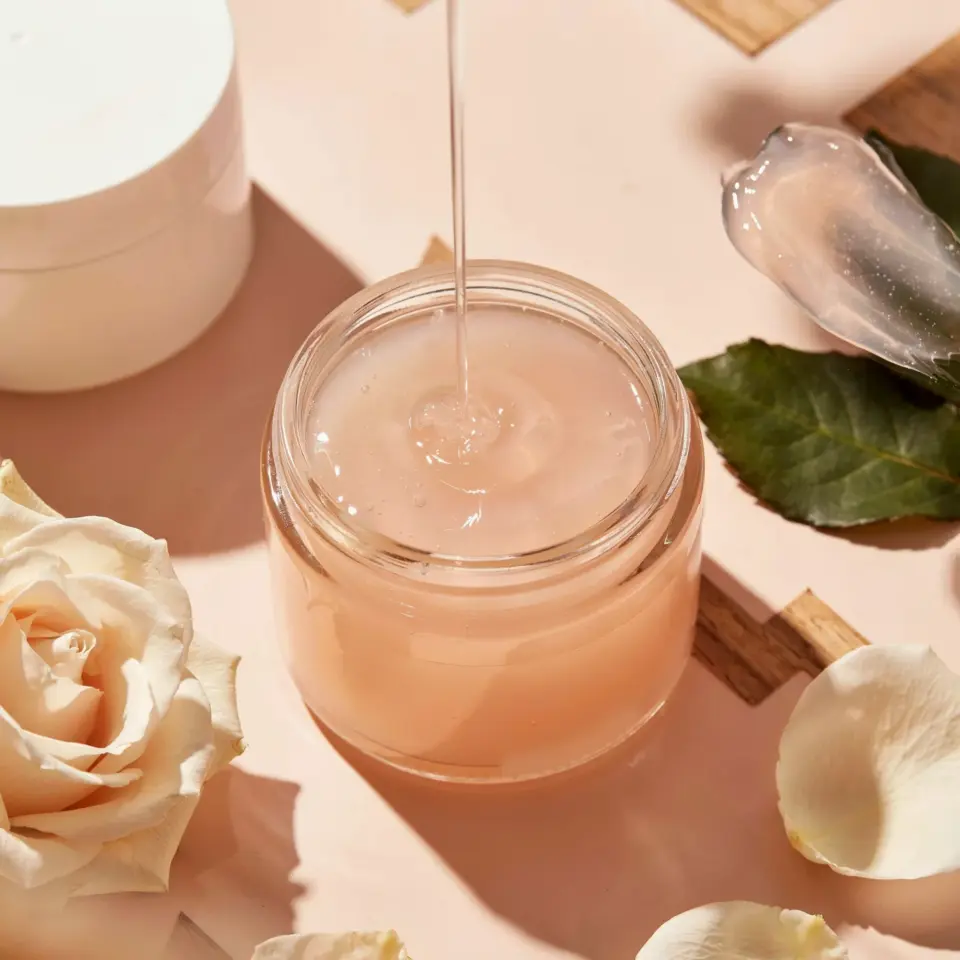
If you have tried the Rose Hyaluronic Jelly Face Mask from BrambleBerry or followed a similar DIY recipe, you know the promise is glowing, plump skin. But I keep seeing the same mistake over and over, and it completely ruins the result. People add too much rose essential oil, expecting extra hydration, only to end up with irritation, dryness, and a mask that feels gritty instead of silky. The truth is, hyaluronic acid is a finicky ingredient, and essential oils can destroy its benefits if you do not handle them carefully. This article walks through seven distinct ideas to help you avoid that pitfall and create a mask that actually delivers that dewy, bouncy finish.
Idea 1: Why Rose Essential Oil Percentage Matters More Than You Think
Rose essential oil is expensive and aromatic, so it is tempting to add a few extra drops for a stronger scent or perceived potency. But that is the fastest way to sabotage your rosemask. Essential oils are highly concentrated; even one extra drop per batch can shift the pH of your formula. When the pH rises above 6, hyaluronic acid stops binding water effectively. Instead of locking in moisture, the oil creates a barrier that traps nothing. Your skin may feel tight and dry within an hour.
Stick to the amount specified in the BrambleBerry kit instructions, which is generally 3 to 5 drops for a full batch. Less is genuinely more here. The rose scent will still come through elegantly, and your skin will thank you for not overloading its moisture barrier.
Idea 2: The pH Sweet Spot That Makes Hyaluronic Acid Work
Hyaluronic acid thrives at a pH between 4.5 and 5.5. If your mask base is more alkaline, the molecules cannot hold onto water molecules properly. I have tested this myself using pH strips. When I added too much rose hydrosol (which is slightly alkaline) or skipped the recommended aloe vera juice, the jelly turned watery after refrigeration. The bouncy texture never appeared.
To get that signature jelly consistency, always measure your liquids exactly. The BrambleBerry recipe calls for distilled water, aloe vera juice, and a small amount of glycerin. These ingredients are chosen specifically to maintain the correct pH range. Do not swap them for tap water or a different juice. Tap water often has minerals that raise pH, and that ruins the whole batch.
Idea 3: Using the Wrong Jelly Base (And How to Fix It)
Not all jelly bases are created equal. Some DIY enthusiasts reach for gelatin or agar agar, but those create a rubbery texture that does not spread well on skin. The BrambleBerry kit uses a specific jelly melt base that is designed to stay flexible and cool on the skin. This base also has a neutral pH, which means you do not need to adjust it separately.
If you are improvising without a kit, look for a preservative-free gelatin or a vegan alternative like tapioca starch mixed with water. But honestly, the pre-made base saves you a lot of trial and error. It is worth the upfront cost because one batch gives you multiple uses. Plus, it avoids the grainy texture that comes from not fully dissolving powders.
Idea 4: How Temperature Changes Your Mask Before Application
Once your jelly sets in the fridge, do not let it sit at room temperature for more than 15 minutes before applying. I learned this the hard way. The hyaluronic acid molecules start to degrade and lose their water-binding capacity when the mask warms up too much. The jelly also becomes runny, which makes a mess and reduces the time it stays on your face.
Keep the mask in a small airtight container in the refrigerator, and scoop out only what you need for one use. Let it sit on the counter for about two minutes while you wash your face. That is enough time to soften slightly without losing structure. You want a consistency that feels like a thick gel, not liquid.
Idea 5: The Essential Oil Blend That Works (Hint: Rose Is Not the Only Option)
Rose essential oil is lovely, but it is not the only scent that complements the jelly mask. If you are sensitive to rose or simply want variety, try blending a drop of geranium essential oil with two drops of lavender. Geranium has a similar floral profile but is much gentler on sensitive skin. Lavender adds a calming note that helps reduce redness.
Another option is a tiny amount of chamomile essential oil (Roman chamomile works best). It pairs beautifully with the rose and softens the overall scent. Just remember the total essential oil count should stay under six drops per batch. Any more and you risk compromising the jelly structure and irritating your skin.
Idea 6: Storage Mistakes That Shorten Your Mask Shelf Life
Homemade face masks do not have commercial preservatives, so they need careful storage. Many people leave the jar on the bathroom counter, but the humidity and heat there speed up bacterial growth. Within a week, the mask can develop a sour smell or mold spots. That is a clear sign to toss it.
Store your hyaluronicacid jelly mask in the back of the refrigerator, not in the door where temperature fluctuates. Use a clean, dry spatula every time you scoop. Do not dip your fingers into the jar. If you follow these steps, the mask stays fresh for up to two weeks. After that, the hyaluronic acid loses potency, and the jelly texture weakens.
Idea 7: How to Layer the Mask with Other Products for Maximum Glow
This mask works best as the last step in a simple routine. Apply it after cleansing and a lightweight serum, but before any heavy moisturizer or oil. The jelly locks in the water from the serum while the hyaluronic acid pulls moisture from the environment. If you put an oil on top, it can disrupt that process.
For a spa-like treatment, leave the mask on for 15 to 20 minutes, then gently rinse with cool water. Pat your face dry and follow with a lightweight gel moisturizer. Do not rub the mask off, that pulls at the skin. The result is a calm, even complexion that looks dewy without being greasy. I find that using this mask three times a week keeps my dry patches in check.
Making your own diybeauty products is rewarding, but only if you avoid the little mistakes that turn a promising project into a disappointment. The Rose Hyaluronic Jelly Face Mask from BrambleBerry is designed to give you a foolproof result, as long as you respect the recipe and pay attention to pH, essential oil amounts, and storage. If you are ready to try it, grab the kit and follow the instructions exactly. Your skin will look plump, calm, and genuinely hydrated.
Have you made this mask before? What was your biggest lesson? Share your experience in the comments, or tag me in your photos. I would love to see your bouncy jelly creations.
#diybeauty #rosemask #skincaretips #hyaluronicacid #brambleberry
Leave a Comment