Friday morning, 7:42 a.m. I’m on the bathroom floor, three amber bottles lined up like tiny soldiers. I used to think I knew where to apply essential oils, but I didn’t. Not really. I’d dab lavender on my collar, peppermint on my jeans, and then wonder why the scent vanished before I finished my coffee. That was my aromatherapy for beginners mistake, and it took me months to fix. Now I’ve got a proper routine, and the difference is honestly night and day. So let me walk you through what actually works.
Why pulse points are the sweet spot for essential oils
Pulse points are where your blood vessels sit closest to your skin. That means those spots run warmer than the rest of your body. And warmth does something wonderful to essential oils: it helps them diffuse into the air slowly, so you catch whiffs all day long.
The usual suspects are your wrists, the sides of your neck, behind your ears, and the inside of your elbows. Some people also swear by the backs of their knees, especially in summer. I’m not gonna lie, that one works better than you’d think.
Here’s the thing. I used to think pulse points were just a fancy spa term. But when I actually switched from dabbing oil on my sleeve to pressing it on my inner wrists, the scent lasted past lunchtime. That never happened before.
The best spots on your body for longer-lasting scent
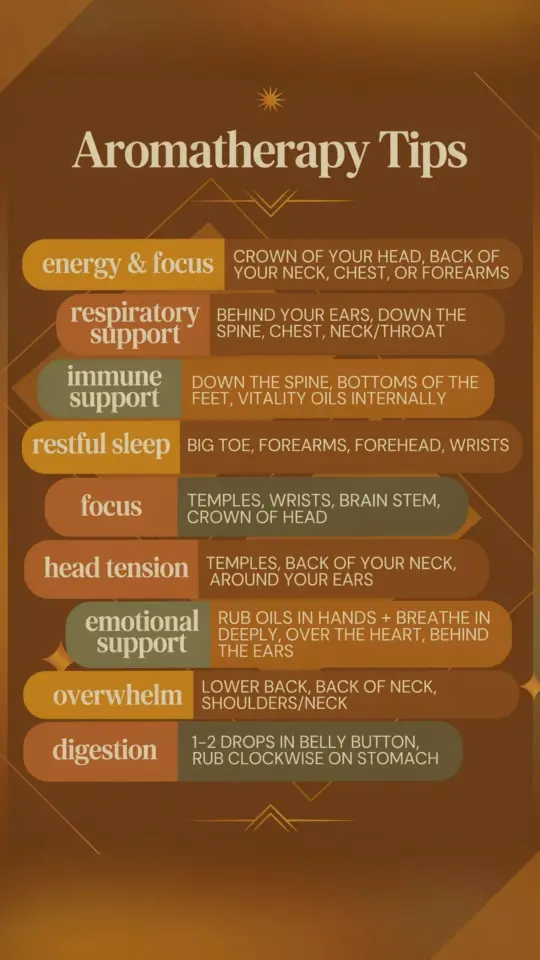
So where do I actually apply essential oils now? Look, I have a whole map in my head. It changes with the season, but the core spots stay the same.
- Inner wrists (always my go-to, but I’ve learned to avoid the very center if my skin is feeling sensitive)
- Behind the earlobes, not directly on the ear itself because that gets greasy fast
- Collarbones, especially the little dip at the base of your throat
- The back of my neck, right at the hairline, which is amazing for tension headaches
One weird thing about me: the left side of my neck always turns red if I apply citrus oils there. My right side is totally fine. My dermatologist shrugged and said it happens, so now I just stick to the right. That’s the kind of quirk you learn after months of trial and error.
How to prep your skin before applying essential oils
Straight oil on dry skin can sting, especially if you’re using something like peppermint. My rule now is simple: apply after a shower, when your skin is still slightly damp. That helps the oil spread evenly and sink in without that burning sensation.
If you’re in a hurry, you can use a carrier oil. A tiny drop of jojoba or even plain lotion works. Just mix one drop of essential oil with a dollop of lotion and rub it on your pulse points. This is probably the single most useful essential oil tip I learned from a friend who makes her own blends.
But honestly, there’s a better trick that costs nothing. Before applying anything, rub your wrists together briskly for about ten seconds. The friction warms up the skin. Then add your oil. It makes a small but real difference in how long the scent clings to you.
My seasonal aromatherapy routine (and what I changed)
Right now, in late winter, I’m all about warm and grounding scents. Frankincense on my collarbone in the morning, then a tiny bit of sweet orange behind my ears around noon. It feels almost like carrying a little piece of sunlight with me, which I need when it’s gray outside for the third week straight.
Back in the summer, I switch to lighter things. Peppermint on the back of my neck, lavender on my wrists before bed, and eucalyptus if I’m feeling stuffy. The seasonal shift matters more than I expected. Your skin chemistry changes with the weather, so what lasts eight hours in July might evaporate in two hours in January.
Here’s a trend I’ve noticed this year: everyone’s talking about ‘at-home spa’ routines, but most advice is way too generic. Nobody tells you that your inner elbows are actually terrible for oil if you’re using a laptop all day. The inside of your wrist gets covered by a keyboard, so the scent mixes with the smell of your desk. Not great.
Essential oil safety rules I wish I knew earlier
I’m going to sound like a nag, but please don’t put essential oils directly on your skin without doing a patch test first. I learned this the hard way when I dabbed straight cinnamon oil on my neck and ended up with a rash that looked like a strange scarf for a week.
Also, some oils make your skin more sensitive to sunlight. Citrus oils are the big culprits. So if you’re using bergamot or lemon on your pulse points, keep those spots covered or stay indoors for a few hours. The last thing you want is a weird sunburn pattern on your wrists.
Pregnant? On medication? Ask your doctor. I know it feels fussy, but essential oils are potent plant compounds, not perfume. Treat them with the same caution you’d give any other concentrated substance.
A simple before and after comparison of my routine
Before I figured out where to apply essential oils, my morning looked like this: I’d grab a bottle, put a drop on my shirt collar, and forget about it. The smell disappeared during my commute. By noon, nothing. Not even a whisper.
After switching to pulse points, the difference is almost ridiculous. A single drop of lavender on my inner wrists lasts through a full workday, plus a trip to the gym, plus cooking dinner. I don’t reapply anymore. That alone makes it worth the extra ten seconds in the morning.
But there’s a subtle change too. The scent is not as loud. It’s softer, like it’s a part of me instead of something I spilled on myself. People don’t say ‘wow, you smell like a candle’ anymore. They just say ‘you always smell nice, what is that?’ That’s the goal.
Quick essential oil tips for anyone just starting out
Ok so if you’re new to this, start small. Buy one or two oils, not the whole shelf. My first oil was an unknown lavender bottle from a discount store, and honestly, it smelled more like barbecue than flowers. Quality matters more than quantity.
Keep a journal for a week. Write down where you applied the oil, how long you could smell it, and whether your skin got cranky. That sounds nerdy, but it’s the fastest way to learn what works for your body. Everyone’s skin chemistry is different, so your friend’s perfect spot might be useless for you.
And please, store your bottles somewhere cool and dark. Sunlight destroys essential oils quickly. I keep mine in a shoebox under my bed, which is not fancy but does the job.
One last thing. Don’t swallow essential oils or put them in your ears. I’ve seen some dodgy wellness advice floating around, and it’s dangerous. These oils are for your skin, mostly, and for smelling. That’s it.
Anyway, that’s my routine. I’m not a certified aromatherapist, just a person who made every beginner mistake possible and then straightened it out. If you’re currently dabbing oil on your jeans, give pulse points a try for a week. Tell me if you notice the change, I’d bet you will.
Leave a Comment