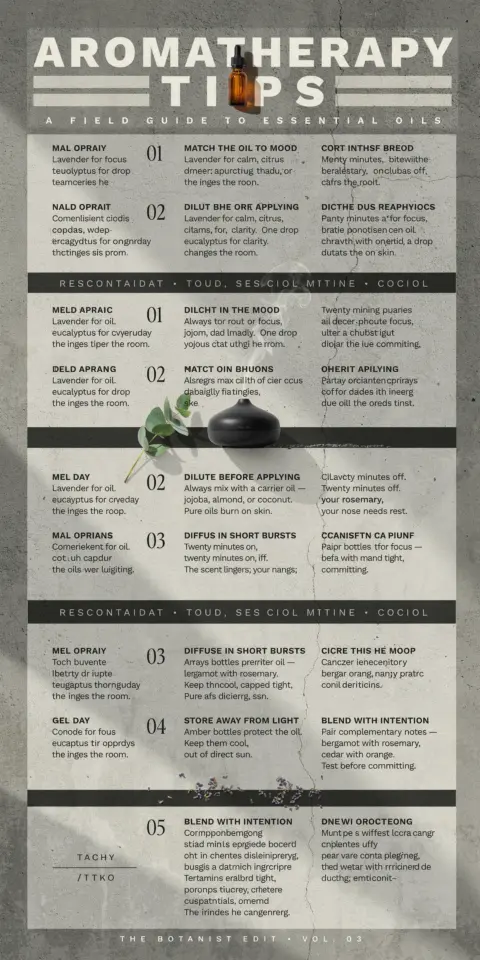
If you are just starting your natural wellness journey, this essential oils guide will help you pick the right scents and use them safely at home. As the air gets cooler and we spend more time indoors, many of us crave comforting aromas that support relaxation, focus, and deep sleep. Whether you are new to aromatherapy or just looking for fresh seasonal ideas, these practical tips will help you build a simple routine that actually sticks.
How to Choose Your First Essential Oils for Home Wellness
Start with a small collection of versatile oils rather than a giant kit. Look for single oils (not pre-made blends) so you can learn each scent profile. Good starter options include lavender, peppermint, eucalyptus, lemon, tea tree, and sweet orange. These six cover most everyday needs from stress relief to cleaning to respiratory support.
When buying, choose brands that list the Latin name and country of origin on the bottle. Avoid anything labeled “fragrance oil” or “parfum” because those are synthetic. A reputable company will also include a batch number and a GC/MS test report for purity.
Top 10 Essential Oils Every Beginner Should Own
Here is a curated list based on real-world use. I have found these ten oils to be the most useful for beginners who want to address sleep, focus, and relaxation without buying dozens of bottles at once.
- Lavender – the jack of all trades. Calming, great for sleep and minor skin irritations.
- Peppermint – sharp and cooling. Helps with headaches, mental clarity, and digestion.
- Eucalyptus – opens the airways. Perfect for cold season and steam inhalations.
- Lemon – uplifting and cleansing. Use in diffusers for a fresh mood boost.
- Tea tree – antibacterial and antifungal. Good for blemishes and household cleaners.
- Sweet orange – cheerful and gentle. Kids love it, and it blends well with lavender.
- Frankincense – earthy and grounding. Supports meditation and skin health.
- Rosemary – woody and herbaceous. Encourages focus and memory.
- Bergamot – citrusy with a floral note. Uplifting but can be phototoxic, so use only in diffusers.
- Ylang ylang – floral and sweet. Balances emotions and reduces tension.
Safe Aromatherapy Tips for Diffuser Use
Using a diffuser is the easiest way to enjoy essential oils, but safety matters. Always follow the diffuser manual for water capacity. A common rule is 3 to 5 drops per 100 ml of water. More drops do not mean better results. Overpowering the room can cause headaches or irritation, especially for pets and children.
Never run a diffuser continuously for hours. Intervals of 30 to 60 minutes with breaks in between work best. Also keep diffusers out of reach of toddlers and pets. Cats lack certain liver enzymes, so citrus and tea tree oils can be toxic to them. Check with a vet before diffusing around animals.
Simple Diffuser Blends for Relaxation, Focus and Sleep
One of the best aromatherapy tips for beginners is to try pre-measured
#essentialoilsguide #aromatherapytips #diffuserblends #beginneraromatherapy #wellnessroutine
Leave a Comment